


Winter can be punishing for your complexion. If your face feels tighter, redder, or more reactive than usual, you’re not imagining it. Cold air, biting winds, and central heating all contribute to transepidermal water loss (TEWL).
For those with dry or sensitive skin, the solution isn't necessarily adding more products—it’s about supporting your skin barrier.
Why does skin get so dry in winter?
Dry and sensitive skin types already have a compromised barrier. During the colder months, several factors exacerbate this:
-
Low Humidity: Dry air literally pulls moisture out of your cells.
-
Central Heating: Artificial heat further dehydrates the epidermis.
-
Temperature Shocks: Moving from freezing outdoors to a hot indoor environment causes blood vessels to dilate, increasing redness.
1. Switch to a Gentle, Non-Foaming Cleanser
If your skin feels "squeaky clean" or tight after washing, your cleanser is stripping your natural oils. In winter, opt for a fragrance-free, non-foaming cream cleanser.
-
Pro Tip: Use lukewarm water. Hot water dissolves the very lipids your skin needs to stay hydrated.
2. Prioritise Barrier Repair over Exfoliation
Many people try to "scrub away" winter flakiness. Stop. This flakiness is usually a sign of dehydration, not a need for exfoliation. Forcing cell turnover on a compromised barrier will only lead to stinging and inflammation.
3. Don't Skip SPF (Even in February)
UVA rays are present year-round. They penetrate clouds and glass, contributing to low-level inflammation that makes sensitive skin even more reactive. A moisturising, broad-spectrum SPF is your best winter defence.
4. Be Strategic with Active Ingredients
If you use prescription treatments like tretinoin or high-strength Retinol, you may need to "buffer" them with moisturiser or reduce frequency. Consistency is better than intensity during a cold snap.
5. Environmental Adjustments
Skincare isn't just about what comes out of a bottle. You can support your skin by:
-
Using a humidifier in the bedroom.
-
Wearing a silk scarf to protect your face from wind.
-
Patting—never rubbing—your skin dry.
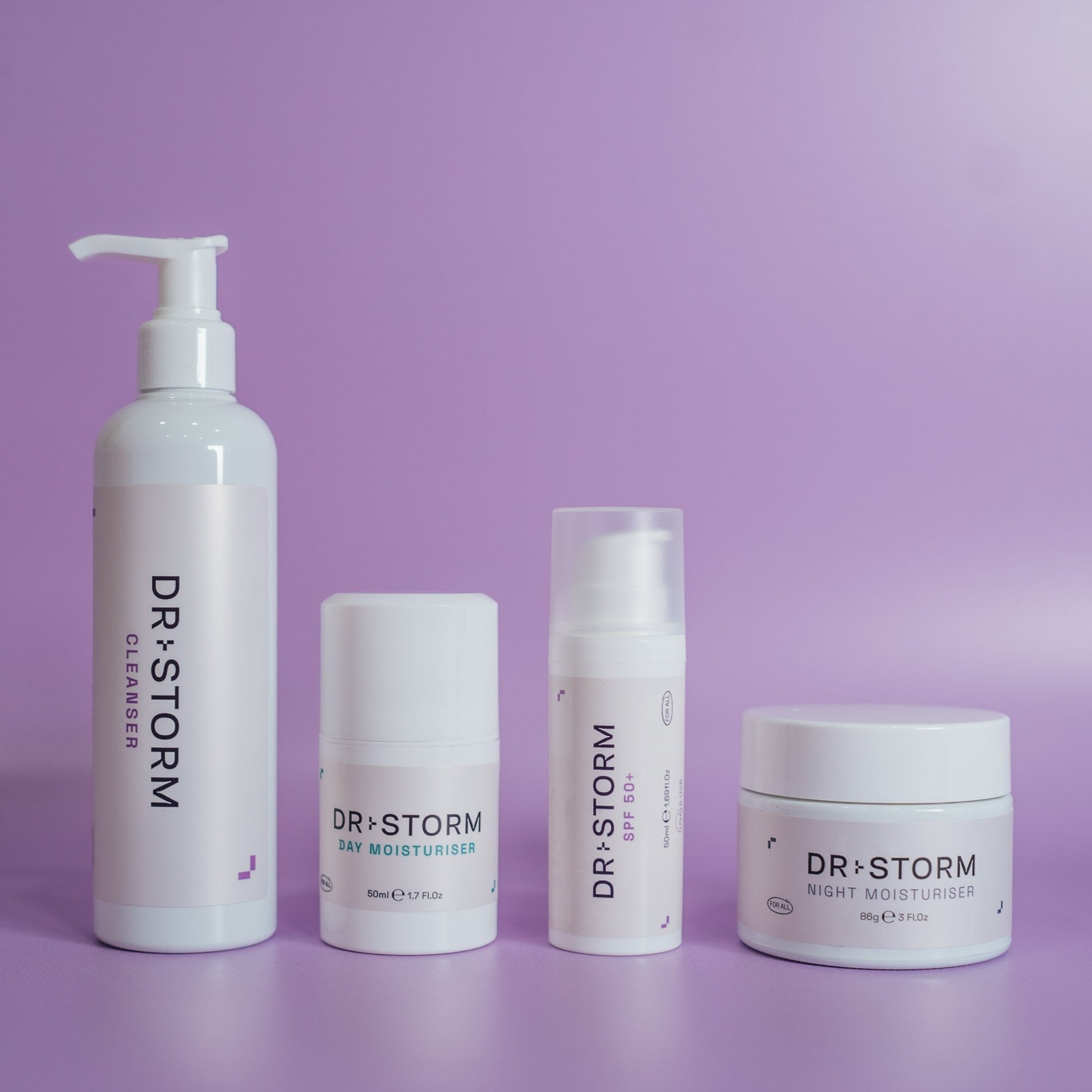
A Simple Winter Routine for Sensitive Skin
Evening:
-
Cleanse: Use a gentle, lipid-restoring cleanser.
-
Protect: Apply a rich moisturiser while the skin is still slightly damp to lock in hydration.
Morning:
-
Refresh: A simple lukewarm water rinse or a very quick, gentle cleanse.
-
Hydrate: Apply a barrier-supporting moisturiser.
-
Defend: Finish with a broad-spectrum SPF.
Why a Consistent Routine Wins
Remember: Dry and sensitive skin in winter is common. It doesn’t mean your skin is failing or that you need a total overhaul. Winter skincare works best when it is calm, consistent, and barrier-focused. If your skin feels supported, it is far less likely to react.