

If you have rosacea, winter can feel like the hardest season to get through. Skin that felt relatively calm in summer can suddenly become redder, drier, more sensitive, and harder to manage.
Cold air, wind, central heating, and constant temperature changes all put extra strain on the skin barrier. When you’re living with rosacea, that strain shows up quickly.
The good news is that you don’t need to overhaul your routine or add more products. In fact, winter rosacea care works best when you do less, but do it well.
Why Rosacea Often Gets Worse in Winter
Rosacea-prone skin already has a weakened skin barrier and a heightened inflammatory response. Winter adds a few extra challenges:
-
Cold, dry air increases water loss from the skin
-
Indoor heating further dehydrates and sensitises the barrier
-
Wind and temperature changes can trigger flushing
-
Hot showers and over-cleansing worsen redness and dryness
When the barrier is compromised, nerve endings become more reactive and blood vessels more prone to dilation, leading to flare-ups that feel sudden and hard to control.
The Foundation of Winter Rosacea Care: Protect the Barrier
At Dr Storm, we always come back to the same principle: a calm barrier equals calmer skin.
Rosacea care in winter is not about aggressively treating redness. It’s about creating an environment where skin can tolerate everyday life with less reactivity.
That means focusing on three things:
-
Gentle cleansing
-
Moisture retention
-
Daily sun protection
Everything else is optional.
Cleanse Gently and Less Than You Think
Over-cleansing is one of the most common mistakes we see in rosacea-prone skin, especially in winter.
What helps:
-
Use a gentle, non-foaming cleanser
-
Cleanse once daily in the evening if possible
-
Use lukewarm water, not hot
-
Pat dry with a soft towel
Avoid:
-
Scrubs or exfoliating acids
-
“Deep clean” or tingling formulas
-
Fragrance and essential oils
A cleanser should remove sunscreen and daily build-up without leaving skin tight or warm.
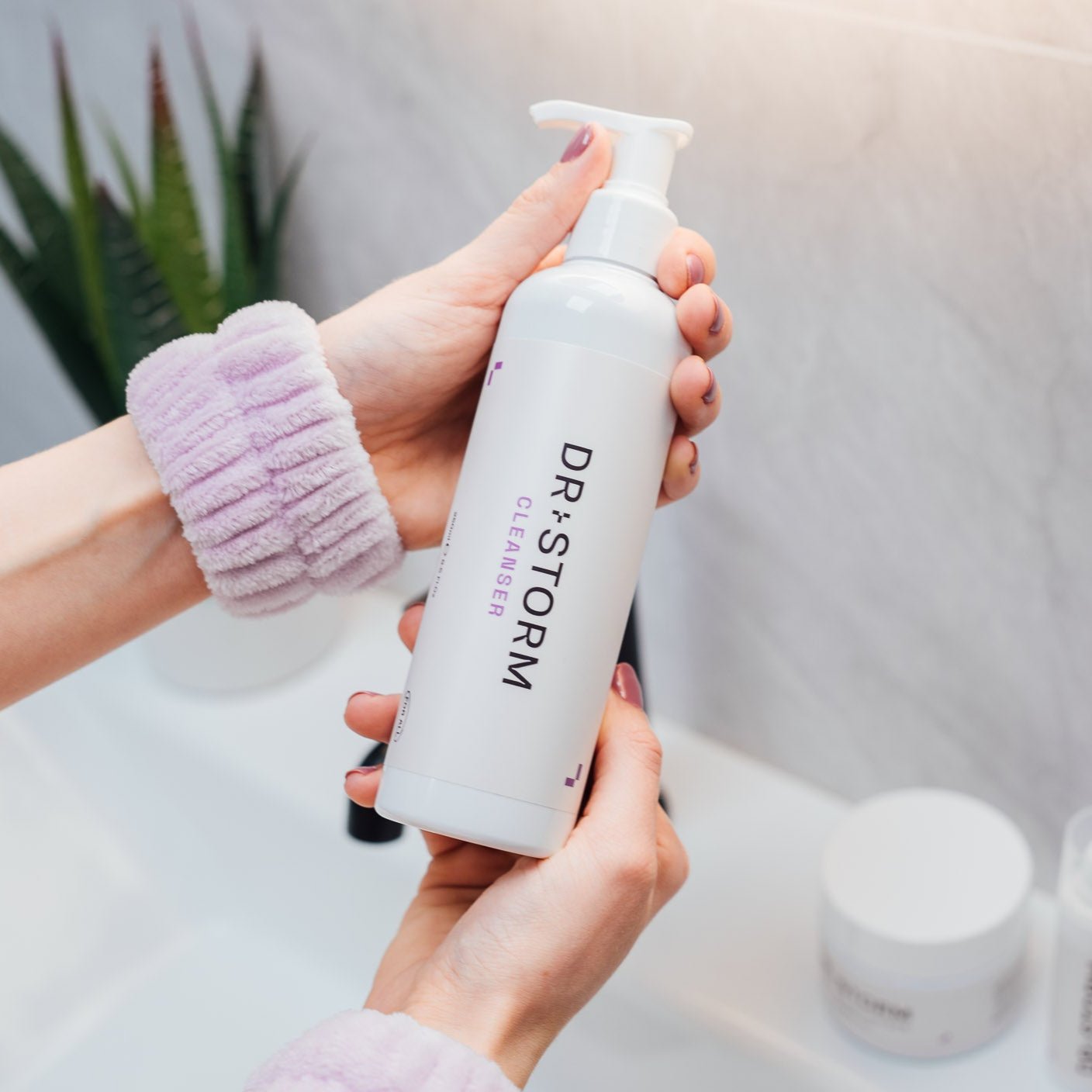
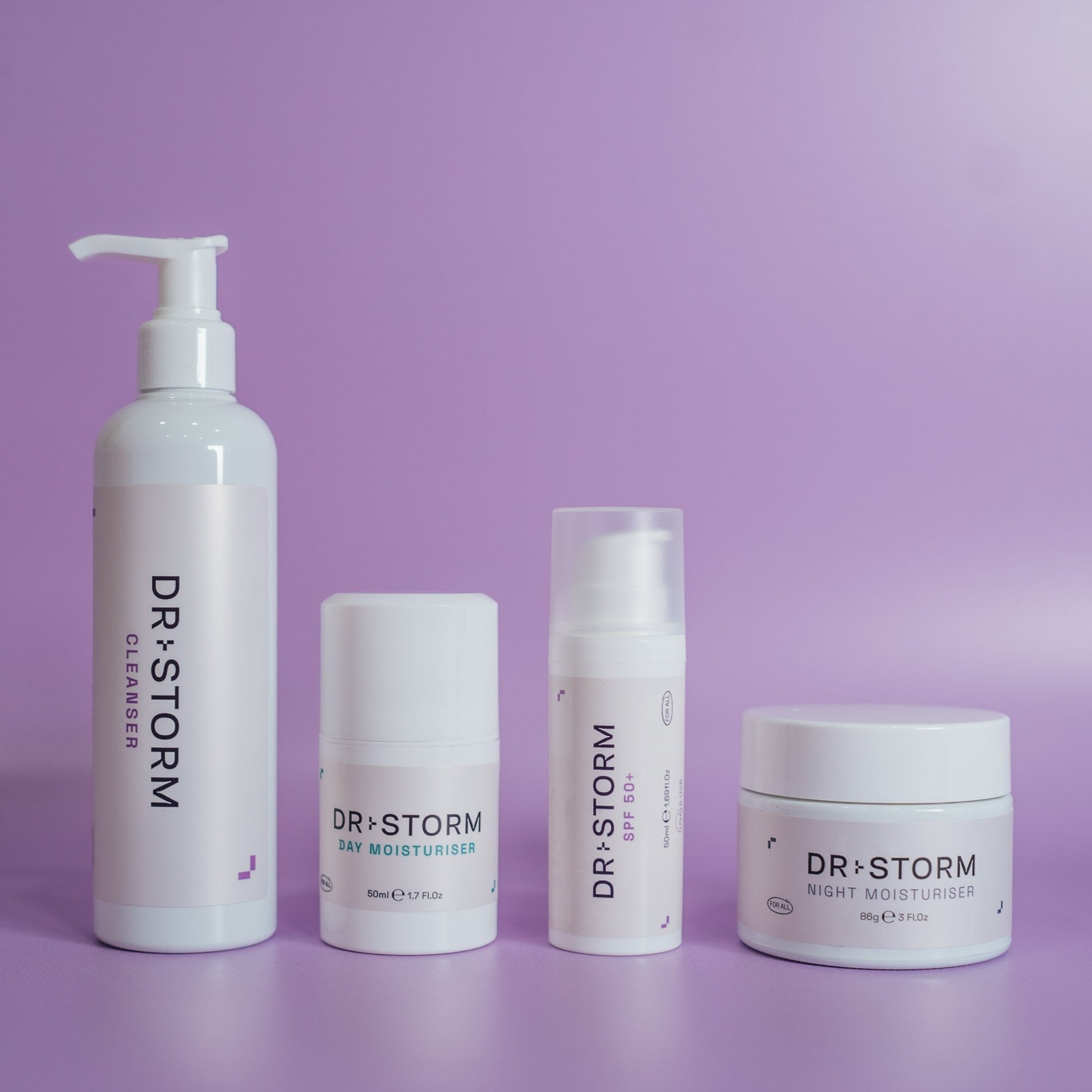
Basically Brilliant Cleanser is designed with this in mind, non-stripping, fragrance-free, and supportive of the skin barrier rather than disruptive.
Lock Moisture In, Especially at Night
In winter, hydration alone is often not enough for rosacea-prone skin. You also need a moisture-sealing layer to reduce water loss overnight.
This is particularly important if:
-
Your skin feels tight after cleansing
-
You wake up with redness or dry patches
-
Cold weather makes your rosacea feel more reactive
Using a richer night product helps form a protective seal over the skin, reducing irritation and supporting barrier repair while you sleep.
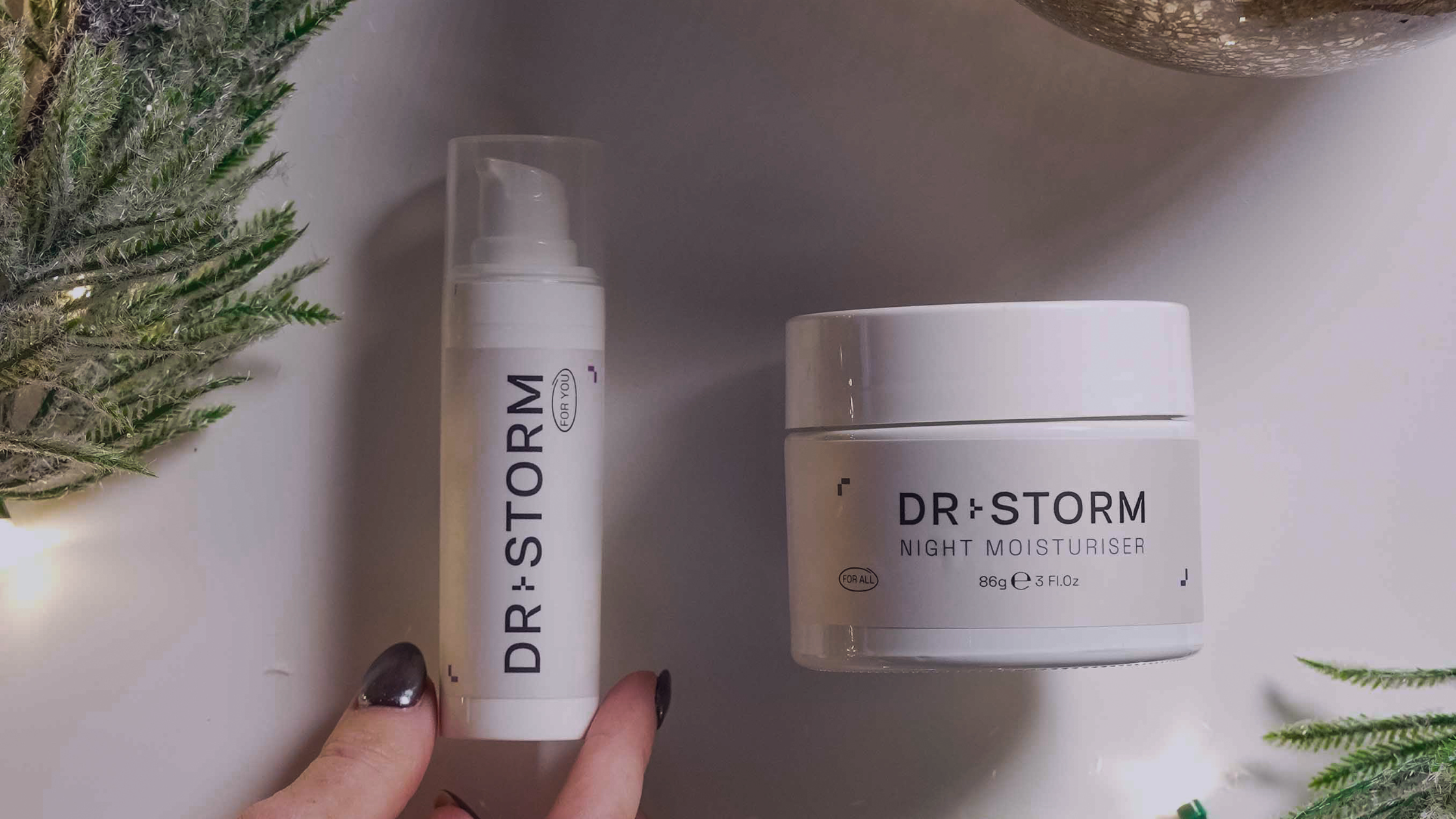
Basically Brilliant Night Moisturiser is formulated to do exactly that, using barrier-supportive ingredients without fragrance or unnecessary actives.
SPF Still Matters, Even in Winter
It’s a common misconception that sun protection is only for summer. For rosacea-prone skin, daily SPF is essential all year round.
Why?
-
UVA rays penetrate cloud and glass
-
UVA contributes to inflammation and redness
-
Sun exposure can worsen rosacea over time
A broad-spectrum SPF 50 used every morning helps protect against flare triggers and long-term skin damage.
Choose a formula that feels comfortable, not heavy or irritating. If SPF stings or causes flushing, it’s usually a sign the barrier needs more support underneath.
Basically Brilliant SPF 50 is designed to be lightweight, fragrance-free, and suitable for sensitive skin.
Managing Winter Rosacea Flare-Ups, Without Panicking
Even with a good routine, flare-ups can still happen in winter. The key is how you respond.
Common winter rosacea problems and how to fix them:
Increased redness or warmth
-
Reduce cleansing frequency
-
Apply moisturiser more generously
-
Avoid hot showers and saunas
Dry, tight, or flaky patches
-
Add a thicker layer of night moisturiser
-
Avoid exfoliation entirely
-
Consider using a humidifier indoors
Stinging when applying products
-
Make sure skin is fully dry before applying anything
-
Use fewer products, not more
-
Pause any non-essential products
If skin feels uncomfortable, it’s usually a signal to simplify, not escalate.
Prescription Treatment and Rosacea in Winter
For some people, rosacea benefits from prescription support. This can be particularly helpful when flare-ups are frequent or persistent.
At Dr Storm, prescription treatments are always:
-
Personalised to your skin
-
Introduced gradually
-
Supported by barrier-first skincare
Winter is not the time to rush strength or add multiple actives. Slow, steady, and well-supported routines tend to give the best long-term results.
Who Needs to Be Extra Careful in Cold Weather
You may need to take a slower, gentler approach if you:
-
Have flushing-predominant rosacea
-
Experience burning or stinging easily
-
Are new to active or prescription treatments
In these cases, consistency matters more than intensity. A routine that your skin can tolerate every day will always outperform one that causes repeated flare-ups.
A Simple Winter Rosacea Routine
Evening
-
Gentle cleanse
-
Apply night moisturiser generously
Morning
-
Rinse or gentle cleanse
-
Apply moisturiser if needed
-
Finish with SPF 50
That’s it. No exfoliation. No complicated layering. No constant switching.
Final Thoughts
Rosacea care in winter doesn’t need to be complicated or aggressive. In fact, the most effective approach is usually the calmest one.
Protect your barrier. Lock moisture in. Wear SPF every day. Adjust gently when skin asks for it.
If your skin feels supported, it’s far more likely to stay calm, even when winter is doing its worst.
Learn more about personalised rosacea care with Dr Storm